The one question
Will anyone who is not a developer ever need to add one of these? If yes, it is a collection. Properties, case studies, team members, job posts, plans, locations, articles, all collections, even when there are only three of them today.
If no, it is a page. Home, about, contact, pricing: they exist once, they change rarely, and wrapping them in a content structure buys nothing.
The expensive mistake is “we will only ever have three”. Three becomes eleven, by which point the layout has been copy-pasted eleven times and every change is eleven changes made by hand, of which one will be missed.
The opposite mistake is real too. A collection holding one item is a static page with extra steps and a worse editing experience, you have added a layer of abstraction and gained nothing to abstract over.
What a collection costs up front
You have to decide the fields before the content exists. That is uncomfortable, and it is the entire point: a collection forces the conversation about what every item must have, while it is still cheap to answer.
The fields people wish they had added: a short summary separate from the long body, an explicit ordering number, a featured flag, and an SEO title separate from the display title. That last one matters more than it sounds: the headline that works on the page is rarely the one that works in a search result.
A badly shaped collection is genuinely worse than static pages, because the shape becomes load-bearing for every item added afterwards. Spend the hour on the fields.
Where it pays
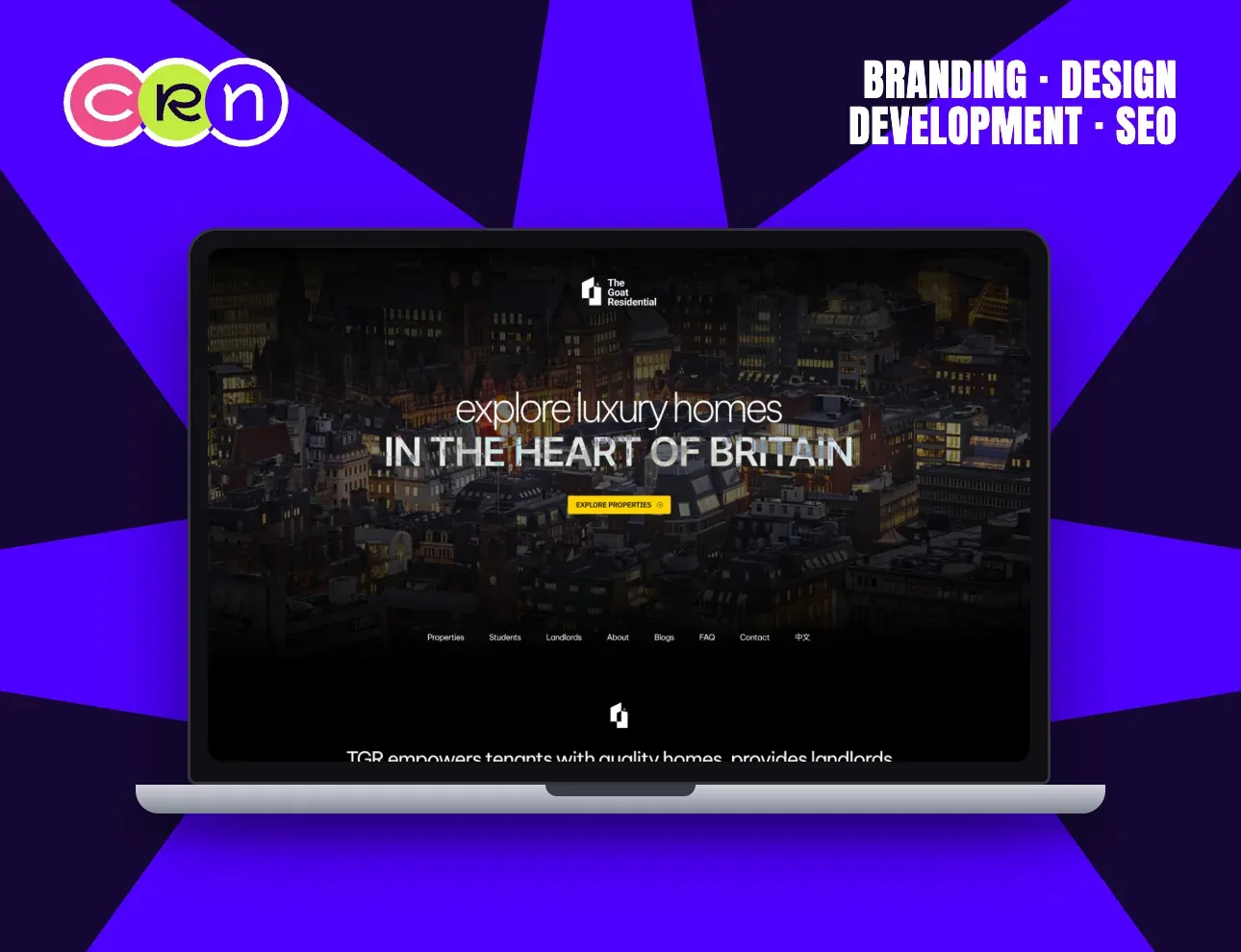
The Goat Residential rents student housing, which means the property list changes constantly and is the reason anyone visits. It is a collection, and the client updates it without us, the difference between owning a website and renting access to one.
The second language rides the same structure rather than a duplicated page tree. That is the compounding benefit: every improvement to the item layout lands everywhere at once, in both languages, instead of being applied by hand and drifting.
The test of a good collection is simple. The client adds an item, and nothing about the site looks like something was added.